Mutual Fund Returns vs Investor Returns: Why the Two Are Often Very Different
What Is the Investor Return Gap? The investor return gap is the difference between a mutual fund’s reported performance and the actual returns an investor earns. While..
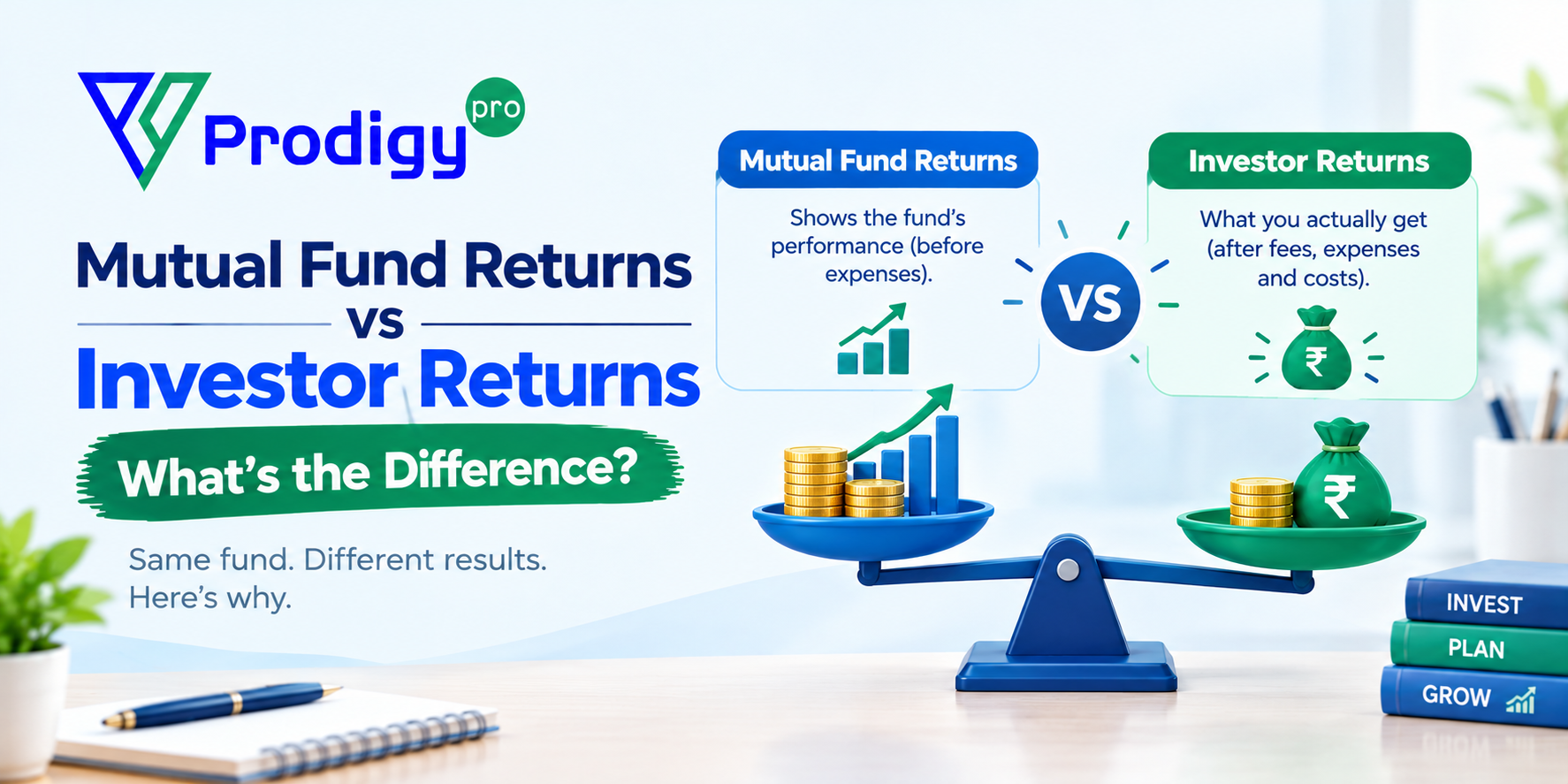
What Is the Investor Return Gap? The investor return gap is the difference between a mutual fund’s reported performance and the actual returns an investor earns. While..

Target maturity funds vs. tax-free bonds Target Maturity Funds (TMFS) and Tax-Free Bonds provide different strategies for fixed-income investing. TMFS, similar to bond mutual funds with a..

What are tax saver deposits? Tax-saver or tax saving fixed deposits (FDS) are special bank deposits that provide twin advantages or two advantages: the first is safe..

Debt Snowball vs. Debt Avalanche You’re looking at a column of debts. Credit card dues. Maybe a personal loan. Maybe a loan from a friend that is..

Loss Aversion Ever experience the bitter taste of missing out on ₹100 more than the happiness of finding it back? That is loss aversion, a powerful bias..

Top-line Growth vs Bottom-line Growth Top line Growth vs Bottom line Growth: Where top-line Growth is your company revenue growth, Bottom line Growth is your company profit growth...

SWP Returns Many investors use Systematic Withdrawal Plans (SWPs) to access investments for regular income or retirement. However, understanding the intricacies of SWP returns is not just a..

Traditional Investment vs Sustainable Investment Let’s start from the absolute beginning. When you put money aside to invest, what are you actually hoping for? Most people –..

Pre Market vs Post Market Trading Ever felt like the stock market works on everyone’s schedule except yours? You wake up, check the news, see a company..

Should You Rent or Buy a House This question usually shows up quietly. Not during a spreadsheet session.Not while reading a finance book. It appears when rent..

Dividend Yield vs Dividend Payout Dividend investing is one of those things that sounds very peaceful. You buy shares in a company.The company earns profits.And every once..

SEBI’s TER Cap The face of India’s mutual fund ecosystem has changed dramatically with the rollout of the Total Expense Ratio (TER) limit by the Securities and..